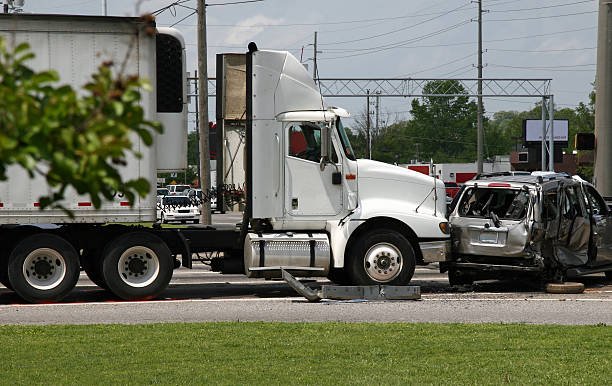
Commercial truck accidents on Texas highways are among the most devastating and legally complex events a driver can experience. With tens of thousands of big rigs, tankers, and flatbeds crossing the state daily, the risk of catastrophic injury is ever-present. For victims and their families, navigating the aftermath requires a deep understanding of state laws, strict filing deadlines, and corporate liability.
As an independent digital publication, we have structured this comprehensive guide to ensure you have immediate access to the clear, authoritative answers you need to protect your rights and fight for justice.
The Reality of Commercial Trucking in Texas
Texas consistently ranks at the top nationally for commercial truck crashes. According to the Texas Department of Transportation (TxDOT), over 22,000 significant truck collisions occur annually, resulting in thousands of severe injuries and hundreds of fatalities.
What Legally Qualifies as a “Truck”?
Under both Texas transportation law and federal definitions, the term encompasses a wide range of commercial vehicles, including:
18-wheelers and semi-trailers
Tanker trucks carrying hazardous materials
Heavy dump trucks and flatbeds
Commercial delivery and box trucks
Every one of these vehicles is heavily regulated by both state laws and the strict guidelines of the Federal Motor Carrier Safety Regulations (FMCSA).
The Statute of Limitations: Deadlines You Cannot Miss

The Two-Year Window
Under Texas Civil Practice and Remedies Code §16.003, victims generally have exactly two years from the date of the crash to file a personal injury or wrongful death lawsuit. Once this window closes, you permanently lose the right to seek financial compensation. In wrongful death claims, the countdown begins on the date of the victim’s passing, which may differ from the accident date.
Critical Exceptions
Texas law recognizes a few exceptions that can pause or extend this strict deadline:
Minors: If the victim is underage, the clock does not start until their 18th birthday.
Incapacitation: The deadline may be delayed if the victim is mentally or physically incapacitated following the crash.
Government Vehicles: If a municipal or state-owned truck caused the crash, the Texas Tort Claims Act requires you to file a formal notice of claim within a fraction of the time—often within just six months.
Time is your enemy. Trucking companies only preserve critical evidence for a limited period. Acting quickly ensures data like dashcam footage and electronic logs are locked down before they are legally destroyed.
Who Is Liable in a Texas Truck Accident?
Liability in commercial crashes rarely stops at the driver. A thorough investigation may reveal multiple negligent parties, including:
The Truck Driver: For speeding, driving while fatigued, or operating under the influence.
The Trucking Company (Motor Carrier): For negligent hiring, poor fleet maintenance, or forcing drivers to meet illegal delivery schedules.
The Manufacturer: If defective brakes, blown tires, or steering failures caused the wreck.
Cargo Loaders: For improperly balancing or securing heavy freight, leading to dangerous rollovers.
The Doctrine of Vicarious Liability
Under the legal doctrine of respondeat superior, trucking corporations are held directly liable for the negligence of their employees while on the job. Suing multiple well-funded corporate defendants complicates settlement negotiations but ultimately provides access to much larger commercial insurance policies.
The Evidence That Wins Commercial Claims

To defeat corporate defense teams, you need irrefutable proof. The strongest evidence includes:
Electronic Logging Devices (The Black Box): These record real-time speed, hard braking, engine status, and the driver’s Hours-of-Service (HOS).
Dashcam and Traffic Footage: Objective video evidence instantly neutralizes “he-said, she-said” disputes.
Corporate Records: Federal law mandates that companies keep driver logs and maintenance reports. Subpoenaing these can reveal systemic FMCSA violations.
TxDOT Crash Reports: The official police report establishes the legal baseline, witness statements, and the responding officer’s determination of fault.
How Truck Crashes Differ from Car Accidents
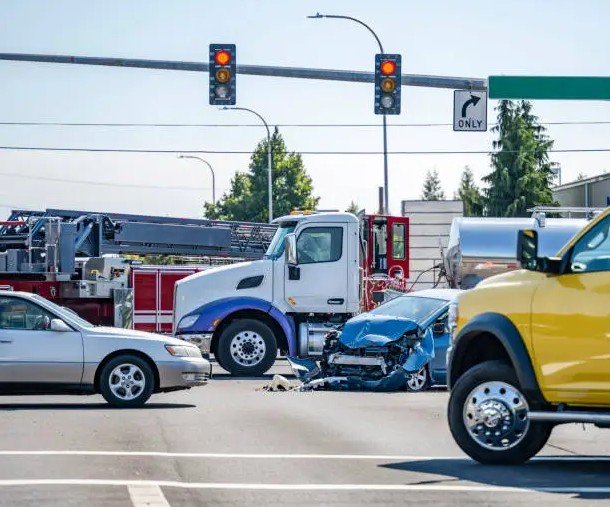
A commercial wreck is not just a bigger car accident; it is an entirely different legal battlefield.
Federal Oversight: Drivers must adhere strictly to FMCSA rules regarding driving hours, weight limits, and mandatory drug testing.
Massive Insurance Policies: Federal law mandates commercial trucks carry a minimum of $750,000 in liability coverage, with many policies exceeding $5 million.
Catastrophic Trauma: An 80,000-pound 18-wheeler causes exponentially more physical devastation than a standard passenger vehicle, resulting in higher medical costs and larger settlements.
Aggressive Defense Tactics: Trucking companies deploy rapid-response investigators to the scene within hours to start building a case against you.
Related Articles:
Texas Comparative Fault: The 51% Bar Rule
Texas operates under a modified comparative negligence system (§33.001). This means you can still recover damages even if you were partially at fault—as long as you were 50% or less responsible.
However, your final payout is reduced by your exact percentage of blame. If a jury awards you $200,000 but finds you 20% at fault, you will walk away with $160,000. Corporate adjusters will fight relentlessly to shift 51% of the blame onto you so they pay nothing, making aggressive legal representation essential.
Your Legal Rights and Immediate Next Steps

You have the absolute right to hire an attorney, refuse early lowball settlement offers, and demand maximum compensation. To protect those rights, take these steps immediately after a crash:
Get Emergency Medical Help: Secure a formal medical record of your injuries immediately, even if you feel “fine” due to adrenaline.
Report the Accident: Call 911 and ensure law enforcement files an official TxDOT crash report.
Lock Down the Scene: Photograph vehicle damage, debris fields, and the truck’s DOT numbers. Get witness contact info.
Maintain Silence: Never give a recorded statement to a corporate insurance adjuster without your lawyer present.
Understanding Truck Accident Compensation

Victims are entitled to recover two primary forms of compensation:
Economic Damages: Measurable financial losses, including emergency medical bills, lifelong rehabilitation, lost current wages, and diminished future earning capacity.
Non-Economic Damages: Compensation for intangible suffering, including physical pain, emotional trauma, PTSD, and loss of enjoyment of life.
In rare cases of extreme corporate recklessness—such as a company knowingly dispatching a drunk driver—Texas courts may also award punitive damages to punish the at-fault party.
Local Texas Legal Resources

While state and federal laws govern commercial trucking, municipal procedures for securing police reports and legal aid vary by city.

James David is a researcher focused on Texas transportation safety and consumer rights.