
Texas highways are notoriously dangerous hotspots for commercial collisions. As injury and fatality statistics worsen, the volume of high-stakes commercial litigation and massive settlements is surging.
However, winning a case against a logistics mega-carrier requires far more than just your side of the story. Whether you are actively consulting a Texas truck accident lawyer or preparing to file your initial claim, securing irrefutable, objective evidence is the only way to defeat a corporate defense team and secure a maximum settlement.
Why Evidence Dictates Your Claim’s Value
Texas enforces a strict 51% modified comparative negligence rule. If a corporate insurer successfully argues you were 51% or more at fault for the crash, your right to recover financial damages is permanently blocked. To win, your attorney must definitively prove:
The truck driver or motor carrier acted negligently.
That specific negligence directly caused the collision.
The crash resulted in quantifiable physical and financial damages.
Without concrete proof, adjusters will deny your claim. Here is the critical evidence required to build an impenetrable case.
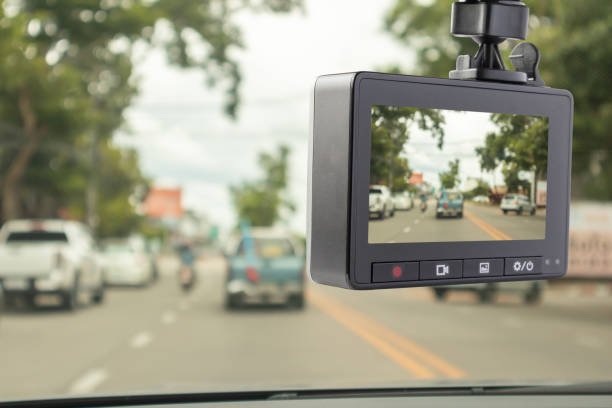
1. Dashcam & Traffic Footage: The Unblinking Eyewitness
What It Is:
Video captured by dashboard cameras, traffic intersection monitors, or nearby security systems.
Why It’s Powerful:
It provides an objective, real-time visual record of the collision. Video evidence instantly shuts down “he-said, she-said” disputes by proving erratic driver behavior, unsafe lane changes, or ignored traffic signals.
Legal Tip:
Ensure the footage is accurately time-stamped and completely unedited. In Texas courts, authenticated video evidence is highly admissible and often forces insurers to settle quickly.
2. Black Box Data (Electronic Logging Devices)

What It Is:
Heavy commercial trucks are equipped with an Electronic Control Module (ECM) or Event Data Recorder (EDR)—the “black box.”
Why It’s Powerful:
This device records the exact physics of the truck seconds before the crash. It logs vehicle speed, hard braking patterns, engine RPM, steering inputs, and mandated Hours-of-Service (HOS). If the driver was speeding, fell asleep at the wheel, or failed to brake, the black box will prove it. Because the FMCSA mandates ELDs for interstate drivers, this data is the cornerstone of proving severe negligence.
Related Articles:
- Texas Truck Accident Claim Deadlines: How Long Do You Have to File?
- Who Can Be Held Liable in a Texas Truck Accident?
- How Truck Accident Claims Differ from Car Accidents in Texas
- Texas Truck Accident Laws Explained: FAQs Every Victim Should Know
3. Witness Statements: Unbiased Perspectives

What It Is:
These are testimonies from people who saw the crash or events leading up to it — such as other drivers, passengers, pedestrians, or even nearby residents.
Why It’s Powerful:
Can corroborate your version of events.
Offers an unbiased third-party perspective.
Helps fill gaps when video evidence is lacking.
Tip: Get witness contact information immediately after the crash. Your attorney can later secure formal statements or depositions.
4. Police Reports (CR-3): The Official Baseline

What It Is:
Under Section 550.062 of the Texas Transportation Code, law enforcement must file an official Crash Report (CR-3) for any accident involving injury, death, or property damage over $1,000.
Why It’s Powerful:
This document establishes the legal baseline of the incident. It includes the responding officer’s diagrams, issued citations, witness statements, and initial determinations of fault.
5. Physical Scene Media

What It Is:
Photos and videos taken by you or bystanders immediately following the impact before the wreckage is cleared.
Why It’s Powerful:
Debris fields, skid marks, gouges in the asphalt, and the final resting positions of the vehicles allow forensic accident reconstructionists to accurately map the physics of the crash and prove the truck’s exact speed and angle of impact.
6. Corporate Trucking Records

What It Includes:
Driver qualification files, mandatory fleet maintenance logs, corporate dispatch instructions, and post-crash substance abuse test results.
Why It’s Powerful:
These documents uncover systemic corporate negligence. If a trucking company forced a driver to meet illegal delivery quotas or ignored failing brakes to save money, liability shifts from the driver directly to the multi-million dollar motor carrier.
7. Medical Records & Expert Testimony

What It Includes:
ER diagnostics, surgical reports, physical therapy progress notes, and future care projections.
Why It’s Powerful:
You cannot recover financial damages without irrefutably linking your physical injuries directly to the collision. Comprehensive medical records—often backed by testimony from medical experts—prove the exact severity of your trauma and justify the monetary value of your claim.
Best Practices for Preserving Evidence
Act Immediately: Commercial black box data can be legally overwritten or deleted by the trucking company in as little as 30 days.
Send a Spoliation Letter: Hiring a Texas truck accident lawyer immediately allows them to send a formal legal demand (spoliation letter) forcing the motor carrier to preserve the truck, the data, and the logs.
Maintain the Chain of Custody: Ensure all digital and physical evidence is legally authenticated so corporate defense teams cannot block it from being admitted in court.
Final Thoughts
Winning a commercial trucking claim in Texas is not about telling the best story; it is about burying the insurance company in hard, irrefutable data. Dashcam footage, black box telematics, and systemic corporate records form the impenetrable foundation of a high-value settlement.
If you have been injured, time is your enemy. Speak to a specialized Texas truck accident attorney immediately to lock down the evidence before it disappears forever.

James David is a researcher focused on Texas transportation safety and consumer rights.