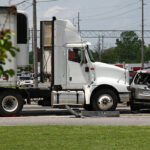
One moment you are cruising down a Texas highway; the next, a collision with an 18-wheeler changes your life. In the chaotic aftermath, victims are hit with physical pain and a flood of questions: Who is responsible? What do Texas trucking laws actually dictate? How will I pay for this?
Commercial truck crashes leave more than mangled vehicles in their wake—they leave families struggling against mounting medical debt and aggressive corporate insurers. This FAQ guide cuts through the legal jargon, breaking down Texas truck accident laws so you can understand your rights, identify your options, and take decisive action to rebuild your life.
What Should I Do Right After a Truck Accident?
The moments following a commercial crash are critical for both your physical safety and your future legal claim.
Call 911 immediately: A formal police report is the foundational document for any future insurance or legal claim, even if the crash seems minor.
Seek emergency medical care: Adrenaline masks severe trauma. Get evaluated immediately to document your injuries.
Document the scene: Take clear photos and videos of vehicle positions, road conditions, debris, and your physical injuries.
Exchange details: Get the truck driver’s commercial license (CDL) info, the motor carrier’s DOT number, and witness contacts.
Maintain silence: Do not apologize, admit fault, or give recorded statements to corporate insurers without consulting an attorney.
How Long Do I Have to File an Accident Claim in Texas?

Under Texas Civil Practice and Remedies Code §16.003, you have a strict two-year statute of limitations from the date of the crash to file a personal injury or wrongful death lawsuit.
While two years may seem generous, physical evidence like “black box” data and driver logs can be legally destroyed by the trucking company within months. Waiting to act severely weakens your case.
(Note: Insurance policies usually require you to report the incident to them within a matter of days. Check your specific policy for deadlines.)
Who Is Liable in a Truck Accident?
Establishing fault in a commercial crash requires deep investigation because multiple corporate entities are often involved. Liability may fall on:
The Truck Driver: For fatigue, distraction, speeding, or operating under the influence.
The Trucking Company: For negligent hiring, poor fleet maintenance, or enforcing illegal delivery schedules.
Cargo Loaders: For improperly balanced or unsecured freight.
Manufacturers: For defective braking systems, tires, or steering components.
Car Accidents vs. Truck Accidents: What’s the Difference?

While car crashes involve standard passenger vehicles governed by state traffic laws, truck accidents involve massive commercial rigs governed by strict Federal Motor Carrier Safety Administration (FMCSA) regulations. Because 18-wheelers weigh up to 80,000 pounds, collisions result in catastrophic injuries, higher financial stakes, and complex litigation involving multi-national insurance conglomerates.
How Long Does a Truck Accident Lawsuit Take?
There is no universal timeline. Some straightforward claims settle in six months, while complex litigation involving catastrophic injuries and multiple defendants can take over a year or two to resolve. The timeline depends heavily on the severity of your injuries, the clarity of the evidence, and whether the corporate insurer is willing to negotiate fairly or forces the case to trial.
What Types of Compensation Can I Recover?

Texas law allows victims to pursue both economic and non-economic damages, including:
Medical Expenses: ER visits, surgeries, medications, and lifelong rehabilitative care.
Lost Income: Current lost wages and the permanent reduction of your future earning capacity.
Pain and Suffering: Compensation for physical agony, mental trauma, and diminished quality of life.
Property Damage: The repair or total replacement value of your vehicle.
Punitive Damages: Awarded in cases of gross corporate negligence to punish the trucking company.
What Is the Average Settlement for a Texas Truck Accident?
Because every crash involves unique variables, there is no “average” settlement calculator. Payouts range from modest sums for minor injuries to multi-million dollar verdicts for catastrophic harm or wrongful death. The final value hinges on the severity of the medical trauma, the degree of corporate negligence, and the limits of the at-fault party’s commercial insurance policies.
Do I Have to File a Claim After an Accident?

Yes. If you wish to recover financial damages for your medical bills and property loss, you must formally initiate a claim against the at-fault party’s insurance or file a civil lawsuit. Failing to do so means you forfeit your right to compensation and will bear the financial burden alone.
How Quickly Must I Report the Crash to My Insurance?
Insurance carriers dictate their own reporting deadlines, but most mandate that you notify them “promptly” or within a few days. Even if your injuries seem minor, report the incident immediately. Unjustified delays give insurers the leverage they need to deny your claim entirely.
Related Articles:
- When to Hire a Truck Accident Attorney
- 8 Tech Tools & Skills Every Paralegal in Texas Should Master
- City-by-City Truck Accident Legal Resources in Texas
- Texas Truck Accident Law: Deadlines, Liability, and Your Legal Rights
What is Texas’s comparative negligence rule?

Texas operates under a “modified comparative fault” system with a 51% bar. This means you can still recover damages even if you were partially at fault for the crash—provided you were 50% or less responsible.
However, your final payout is reduced by your percentage of fault. If you are awarded $100,000 but found 20% responsible for the crash, you will receive $80,000. If you are deemed 51% or more at fault, you recover nothing.
How Much Do Truck Accident Lawyers Charge?
Elite personal injury attorneys operate on a contingency fee basis. This means:
Zero upfront costs or retainer fees.
The firm advances all the money needed to investigate and litigate the case.
The attorney takes a percentage (typically 30% to 40%) of the final settlement or court award.
If they do not win your case, you owe them nothing for their services.
Do I Actually Need a Lawyer?

Technically, no; practically, yes. Commercial truck claims are high-stakes corporate battles. The trucking company will have investigators at the scene within hours building a defense to deny your claim. An experienced Texas truck accident lawyer levels the playing field by securing black-box data, navigating FMCSA regulations, and aggressively negotiating with corporate insurers who are trained to exploit unrepresented victims.
What Happens if the Trucking Company Denies Fault?
Corporate denial is standard operating procedure. When this happens, a skilled attorney will forcefully prove liability by:
Subpoenaing the truck’s Electronic Logging Device (ELD) to prove speed and braking failures.
Auditing driver qualification files and hours-of-service logs.
Hiring forensic accident reconstructionists to map the crash physics.
Deposing corporate safety directors.
How Do Truck Accident Settlements Work?
The vast majority of commercial claims are resolved outside the courtroom. The process generally flows as follows:
Investigation & Demand: Your lawyer builds the case and issues a formal demand letter for compensation to the insurer.
Negotiation: Both sides engage in aggressive settlement discussions based on the forensic evidence.
Resolution: If a fair number is reached, you sign a liability release and receive your funds. If the insurer refuses to pay fairly, your attorney files a formal lawsuit and prepares for trial.
How Can I Choose the Best Lawyer for My Case?
Selecting the right advocate requires looking past billboards and focusing on measurable results. Ask potential attorneys:
“What percentage of your firm’s resources is dedicated exclusively to commercial trucking litigation?”
“What are your most recent settlement and trial verdicts in 18-wheeler cases?”
“Do you have the financial capital to hire industry-leading reconstruction experts?” A premier lawyer will offer transparent answers and ensure you feel supported throughout the entire legal journey.
Securing Your Future After a Texas Truck Crash
The devastation of a commercial collision can leave lasting physical, emotional, and financial scars. However, understanding your rights under Texas law is the first step toward taking your power back. Whether you are battling a denied insurance claim or preparing for complex litigation against a major logistics corporation, securing an elite legal advocate ensures you have the leverage necessary to rebuild your life.

James David is a researcher focused on Texas transportation safety and consumer rights.