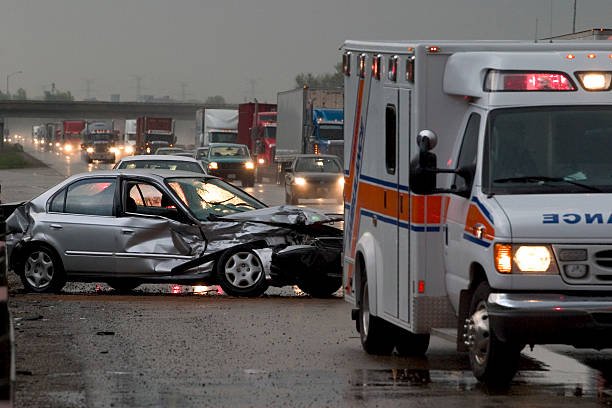
Yearly reports show truck accidents occur in large numbers on Texas roads, and the aftermath of these crashes is often devastating, leading to serious injuries, property damage, and emotional distress.
When a truck crash happens, one of the first questions people often ask is, “Who’s at fault?” That’s where Texas comparative negligence comes in. This comparative rule plays a crucial role in determining the amount of compensation an individual can receive after a crash.
Texas uses a shared fault system. That means more than one person can be held responsible for a wreck.
- How Texas Comparative Negligence Works
- Understanding Negligence in Truck Accidents
- Why Fault Can Be Complicated in Truck Accidents
- The Role of Insurance Companies
- How Comparative Negligence Can Affect the Settlement
- Establishing Fault in Truck Accidents
- What to Do After a Texas Truck Accident
- Conclusion
- FAQs on Who Can Be Held Liable in a Texas Truck Accident?
How Texas Comparative Negligence Works
Texas follows a 51% rule. If you are found 51% or more at fault, you cannot recover any compensation. But if your fault is 50% or less, you can still receive money, just reduced by your share of the blame.
Example:
Let’s say your total damages are $100,000 and you’re found 20% at fault. Your final recovery would be $80,000.
This is why fault matters so much in truck accident cases. Even a slight difference in the percentage can impact your settlement.
This rule is codified under Chapter 33 of the Texas Civil Practice and Remedies Code, specifically Sec. 33.001 and Sec. 33.013. The law divides responsibility among parties according to their percentage of fault, holding each liable only for their share of damages. This makes it critical for claimants to demonstrate that they are less than 51% responsible for maintaining eligibility for compensation and to maximise the amount they recover.
This rule is designed to make things fairer, but in practice, it also means insurance companies may work hard to increase your share of the blame. The higher your percentage of fault, the less they have to pay. That’s why proving the exact cause of the accident is so important in truck accident claims.
Understanding Negligence in Truck Accidents

Negligence occurs when a driver, trucking company, or other party does not exercise reasonable care, resulting in an accident. In truck accident cases, negligence may include:
- A truck driver speeding, driving fatigued, or ignoring traffic laws.
- A trucking company is failing to maintain its vehicles or pushing drivers to violate federal hours-of-service regulations.
- Cargo loaders improperly secure a load, causing it to spill or shift.
To establish liability, the victim must show that the party’s negligence directly caused the crash and the resulting damages.
Why Fault Can Be Complicated in Truck Accidents

Truck crashes are often more complex than other types of crashes. A Texas truck crash can involve a driver, the trucking company, cargo loaders, maintenance providers, or even the truck’s manufacturer. Each of these parties may have played a role in what happened.
Some common reasons for fault can be shared or disputed, including:
- Driver Negligence: Such as speeding, distracted driving, driving while tired, or impaired driving.
- Trucking Company Negligence: This includes overworking drivers, disregarding safety regulations, or failing to properly maintain vehicles.
- Cargo Issues: Such as improperly loaded or unsecured cargo, which can cause the truck to become unstable.
- Mechanical Failures: For example, faulty brakes, tyre blowouts, or steering system issues.
- Road Conditions: Hazards like potholes or debris can complicate who is actually responsible.
Due to these factors, determining liability in a truck accident often requires a thorough investigation. Evidence in the likes of black box data, maintenance logs, and driver logs can play a significant role. This is why many victims turn to an experienced truck accident lawyer in Texas who knows how to handle these cases.
Related Articles:
- Winning with Tech: 9 Tools for Texas Truck Crash Lawyers
- DWI vs. DUI in Texas: What Are the Key Differences?
- Wet Reckless Driving in Texas Explained: Everything You Need to Know
- 10 Best GPS Apps for Truck Drivers in Texas
The Role of Insurance Companies

After a crash, insurance companies get involved quickly. While their job is to handle claims, they also try to minimise payouts. One way they do this is by arguing that the injured person was partly liable. Even small shifts in fault percentage can lower the value of truck accident lawsuit settlements.
For example, shifting someone’s fault from 10% to 30% in a $200,000 settlement could result in a $40,000 reduction in the payout. That’s a big difference — and why having an experienced Texas truck accident attorney can protect you from unfair blame shifting.
A lawyer can help gather strong evidence, work with accident reconstruction experts, and push back when insurers try to play games with the numbers.
How Comparative Negligence Can Affect the Settlement

Under Texas comparative negligence, your final compensation depends on how fault is divided. Even a 10% difference in your share of fault can mean thousands of dollars more or less in your pocket.
That’s why legal representation matters. A legal expert can work to lower your assigned fault percentage and maximise what you receive as compensation. This can be the difference between struggling with unpaid bills and getting the support you need to rebuild your life.
Establishing Fault in Truck Accidents
To handle a truck accident claim successfully, it’s essential to establish who is at fault. This process often involves gathering evidence, such as:
- Police Reports: These documents provide an official account of the accident, clarifying who was at fault.
- Witness Statements: Eyewitness accounts can provide valuable insights into the events leading up to the accident.
- Traffic Camera Footage: Video evidence can be crucial in determining the circumstances of the accident.
- Expert Testimony: In some instances, accident reconstruction may be necessary, and such experts are called upon to analyse the scene and offer their professional opinions.
What to Do After a Texas Truck Accident

If involved in a truck crash, prioritize safety and seek immediate medical treatment. Then, gather and preserve evidence such as photos, witness contacts, and details of the accident. Report the accident promptly to insurance and consider contacting a skilled Texas truck accident lawyer who understands comparative negligence. These legal representatives can help protect your rights, gather evidence, and navigate the complexities of fault determination and claims.
Conclusion
A truck accident can wreck and turn your life upside down in seconds. Medical bills pile up, work becomes difficult, and insurance companies may try to play the blame game. Understanding Texas comparative negligence helps you know how fault affects your compensation and why the correct legal strategy is crucial.
You may share some responsibility for the crash — but that doesn’t mean you lose your right to recover. Even if you’re partly at fault, you could still get compensation if your share is 50% or less.
If you or someone you love has been involved in a truck crash, don’t wait. Speak with a Texas truck accident attorney who can explain your rights, build a strong case, and help you pursue fair truck accident lawsuit settlements. Acting quickly can make all the difference in the outcome of your claim.
FAQs on Who Can Be Held Liable in a Texas Truck Accident?
What is Texas comparative negligence?
Texas follows a modified comparative negligence rule: you can recover damages only if you are 50% or less at fault.
What is the 51% bar rule?
If a plaintiff is found 51% or more responsible for an accident, they are barred from recovering any damages.
How does comparative negligence affect my payout?
Your damages award is reduced by your percentage of fault. If you’re 20% at fault, you recover 80% of total damages.
How is fault percentage decided in truck crashes?
Fault is allocated using evidence: police reports, witness testimony, black box/ELD data, accident reconstruction, and maintenance records.
Can multiple parties share fault in a truck accident?
Yes. Drivers, trucking companies, cargo loaders, maintenance providers, and manufacturers can all share responsibility.
Does Texas law mention comparative negligence in writing?
Yes — it’s codified in Chapter 33 of the Texas Civil Practice & Remedies Code (proportionate responsibility statutes).
What if the trucking company hides evidence to increase my fault?
If evidence is concealed, you may have grounds for sanctions or to pursue claims for fraudulent concealment — contact a lawyer immediately.
Can comparative negligence be used by insurers to reduce settlements?
Yes. Insurers commonly argue partial fault to lower payouts, which is why detailed evidence and legal counsel matter.
How do contributory acts like speeding or phone use affect my claim?
If you contributed (e.g., speeding), your percentage of fault increases; your recovery is reduced proportionately.
Are minors treated differently under comparative negligence?
Texas law may apply different rules for minors in certain contexts; consult counsel to understand timelines and special protections.
Can I still recover if I share some fault with the truck driver?
Yes — as long as you’re 50% or less at fault, you can recover damages reduced by your fault percentage.
How can a lawyer lower my assigned fault percentage?
An attorney can challenge evidence, obtain expert analysis, discredit biased witness statements, and present stronger causation theories.

James David is a researcher focused on Texas transportation safety and consumer rights.